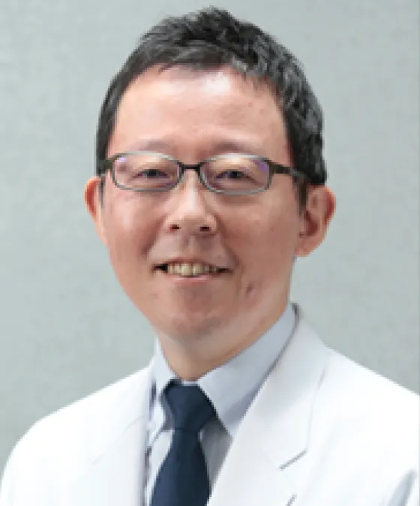
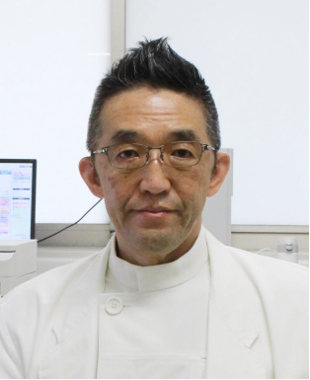
I was, of course, aware of stem cell therapy. However, at the time, the mechanisms underlying this were not well understood; therefore, I was not initially interested in it. However, when Japan's Act on the Safety of Regenerative Medicine was enacted, which allowed clinical treatment, Dr. Shinsaku Tsuji contacted me. Reviewing the literature on adipose- derived stem cells, I observed that while certain therapeutic effects could be expected, the underlying mechanisms remain unclear. Since I have been researching the mechanisms behind osteoarthritis, I decided to explore this largely unknown area of stem cell therapy. Currently, I conduct clinical treatments at the Ochanomizu Cell Clinic, a regenerative medicine-focused orthopedic clinic, and I am pursuing basic research on stem cell therapy at the University of Tokyo.
For patients for whom conservative treatments such as hyaluronic acid injections (covered by insurance) do not effectively alleviate pain and those who do not yet need or want surgical treatments such as joint replacement are often pleased with this option. However, the efficacy of the treatment varies among patients. Although the treatment works well for some patients, the degree of improvement and the duration of the effects vary, as observed daily in my practice. Given the significant cost of treatment, I carefully explained to each patient what effects they could expect based on imaging findings before proceeding with stem cell therapy. However, there have been some cases, particularly among patients in advanced stages of osteoarthritis, in whom the results did not meet expectations. I do not believe this treatment will earn a perfect score for every patient.
Medical explanations are important, but I particularly focus on thorough conversations on understanding patients’ lifestyles and values and the kind of life they hope to lead. I then align the patients’ expectations with the potential outcomes of stem cell therapy before proceeding with the treatment. Stem cell therapy is not a miracle cure that will satisfy everyone; therefore, through counseling, I ensure that patients clearly understand the reality of treatment. The more advanced the joint deformity, the less effective the treatment, and the therapy will restore the joint to its youthful, healthy state. I explained to the patients that the goal was to alleviate symptoms by harnessing the power of the cells and not returning the joint to normal.
Stem cell therapy is not yet a dream treatment that can satisfy everyone; therefore, I plan to continue researching ways to improve the performance and mechanisms of stem cells to enhance their therapeutic outcomes. Through clinical practice and research, I aim to further refine and enhance stem cell performance.
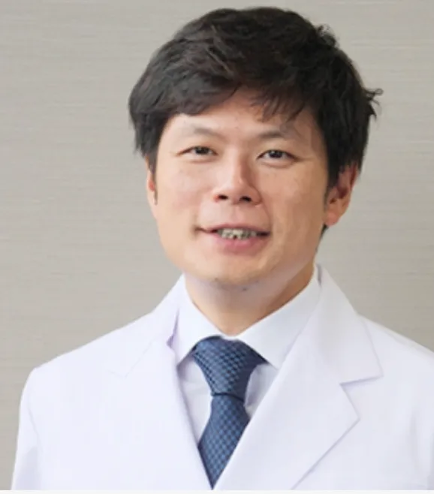
Even doctors with little experience in using scalpels can easily collect the required samples using a TOPs biopsy needle. From my treatment experience, I feel that proactive and positive patients tend to have a higher chance of experiencing therapeutic benefits. This is particularly true for osteoarthritis and the sequelae of cerebral infarction, where posttreatment rehabilitation plays a significant role in the effectiveness of therapy. At our clinic, we provide rehabilitation guidance to physical therapists. For patients with osteoarthritis, we offer fully customized insoles that are included in the treatment costs to maximize therapeutic outcomes. Patients treated at our clinic have provided feedback that they can run again (for osteoarthritis of the knee) or open jar lids (for sequelae of cerebral infarction)
As some patients may have overly high expectations of regenerative medicine as a new treatment option, I first listen to their current concerns and challenges and then set realistic post-treatment goals. In this way, they can proceed with the treatment with a clear understanding.
Stem cell therapy holds great potential. I believe that the key to its widespread adoption lies in doctors communicating the expected outcomes to patients. Our clinic intends to continue collaborating with the Avenue Group, which has a solid record in stem cell therapy and research. Additionally, we plan to leverage Okinawa's strategic location as the center of East Asia to introduce Japanese regenerative medicine to patients from neighboring countries across the sea and expand the market. While there is no room for misinformation, we will continue to work diligently to deliver correct stem cell therapy using TOPs cells to our patients.
August 26, 2022 - "Treatment of joint pain and osteoarthritis using autologous adipose-derived mesenchymal stem cells"
Having practiced PRP therapy, I had a natural interest in stem cell therapy. However, my initial impression was that although the therapy showed promise, it was very expensive. I also believed that the process of harvesting adipose (fat) tissue placed a considerable physical burden on patients and required an operating room and specialized equipment, which are significant hurdles for implementation. These perceptions made it difficult to envision introducing such treatments within the existing structure of our clinic.
Everything changed when I learned about the TOPs biopsy needle at a luncheon seminar hosted by the Japanese Orthopaedic Association. I realized that with this device, fat tissue can be collected safely, quickly, and with minimal invasiveness-within a same-day outpatient visit. It became clear that this approach was not only clinically sound, but also realistically adoptable in our practice. This realization gave me the confidence to move forward with stem cell therapy. Initially, I was uncertain about how much demand there would be from patients. However, the response exceeded my expectations. I believe the strong local interest reflects regional health needs and patient demographics.
Since the introduction of this therapy, we have prioritized clear and balanced communication with our patients. We explain stem cell therapy along with other regenerative options such as APS and PRP-FD