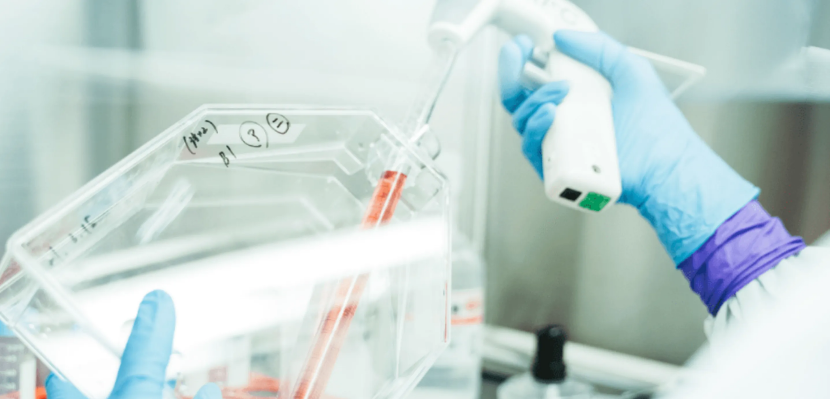
Culturing placenta stem cells involves aseptically harvesting placental tissue shortly after birth, then mincing and digesting the tissue to release single cells using enzymes like collagenase and DNase. The liberated cells are then washed and plated in a sterile culture medium containing growth factors, serum, and antibiotics. They are maintained in a controlled incubator at 37°C with 5% CO2, and the medium is changed every few days. As cells reach high confluency, they are detached using trypsin, replated at a lower density, and continued in culture for expansion.
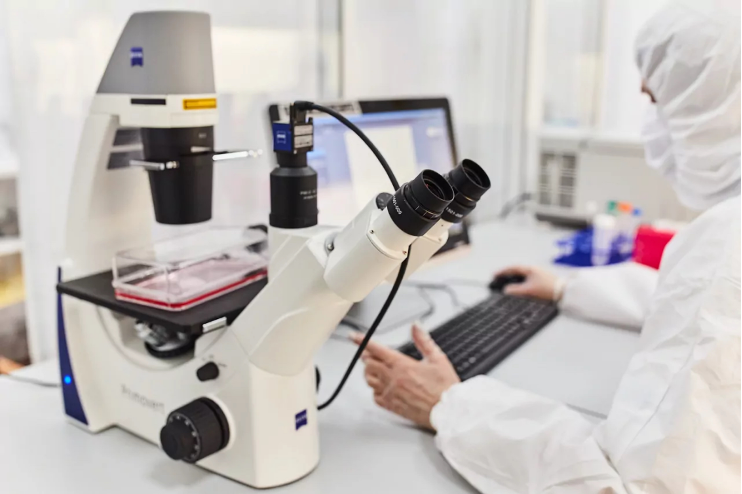
In addition, because bacteria can thrive under conditions that promote cell growth, it is essential to avoid bacterial contamination during cell culture. This requires working with cells in clean environments such as clean rooms, benches, and safety cabinets, where a high level of cleanliness is strictly maintained.
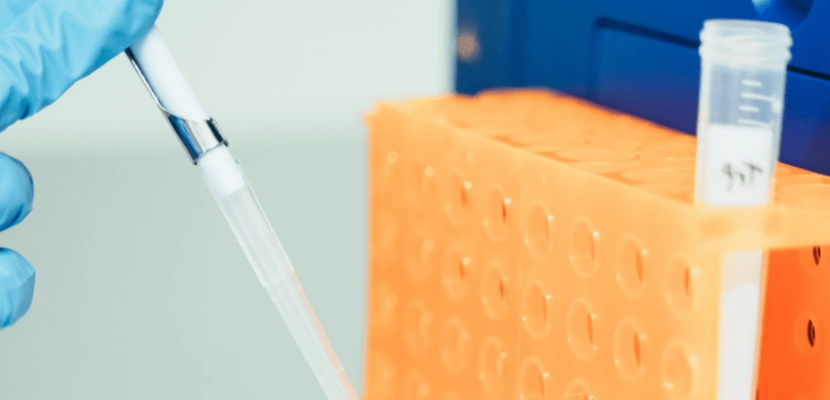
Once we receive the cells, the laboratory tests them for:
The cells are thawed and cultivated to reach the therapeutic dose as needed. After the placenta stem cell product is prepared, it is transplanted to the patient intravenously, or directly into the affected area.
Ready-made cell products based on placenta stem cell treatment are obtained by a non-invasive method and can be utilized immediately by medical indications. For the patient, there is no need for a long and painful procedure to harvest a portion of their own cells for cultivation.
The recovery period after the placenta stem cell therapy introduction is minimal, but will depend on your situation. In most cases, after the treatment, the patient immediately goes back to their normal way of life.